Baby Animal Names in English for Kids
A baby animal is a young animal with its own English name, such as kitten, puppy, or calf. Baby Animal Names in English for Kids: Words and Activities pairs these terms with short games that move children from pointing to speaking. Start with familiar pets and farm animals, then introduce wild and sea animals. Younger children learn through pictures, sounds, and movement. Older children can sort words, compare shared names, and build fuller descriptions. Keep practice rounds short so the words stay fresh.
Core Names to Learn First
Begin with four to six pairs your child can picture clearly. Say the adult name, pause, then give the baby name: “A baby dog is a puppy.” Add pairs after your child recalls most of the first set without help.
This Baby Animal Names in English for Kids: Words and Activities guide includes shared terms children encounter in books and videos. Calf is not limited to cows; it names the young of large mammals.
Some animals have two accepted terms. A young fox may be a kit or a cub. A young rabbit is a kit, while bunny is an informal term for rabbits of all ages.
Using the Words in Sentences
Use Baby Animal Names in English for Kids: Words and Activities as a speaking theme, not a spelling test. Build one sentence around each pair: “A baby sheep is a lamb.” Then change one part: “The lamb is eating” or “Two lambs are running.”
Ask short questions: “What is a baby goat called?” “Where is the duckling?” “Which baby animal has feathers?” Let children point first, give a one-word answer next, and finish with a full sentence.
Older learners can compare animals with but, while, and both: “A cub can be a young lion, while a joey can be a young kangaroo.” They can describe habitats, food, or movement without turning practice into a science quiz.
Introducing the Vocabulary Clearly
Show one adult-and-baby pair at a time. Say both words, invite repetition, and add a gesture or sound. After three pairs, hide the baby pictures and ask your child to match them from memory. This tests recall, not recognition.
In a multilingual home, your child may know the animal in another language. Welcome the connection. Say the known word once, introduce the English pair, then return to a short English sentence. Earlier language knowledge supports learning.
Across LearnLink lessons, our tutors revisit words through questions, descriptions, and short stories. At home, follow the same sequence: hear the word, recognise it, say it, then place it in a sentence.
Activities for Different Ages
For school-age kids, place three adult-animal pictures on the floor. Hand your child one baby picture and ask them to find its family. Add movement: hop like a kid, waddle like a duckling, or stretch like a foal.
For school-age kids, turn Baby Animal Names in English for Kids: Words and Activities into a matching race. Mix adult and baby word cards, set a calm time limit, and have your child read each pair aloud. Award points for correct sentences, not speed alone.
For school-age kids, sort terms into groups such as cub, calf, and unique names. Ask the learner to explain each pattern, write guessing-game clues, or correct false statements such as “A baby swan is a chick.”
Quick Practice: Name the Baby
Read these adult animals aloud: goat, deer, goose, elephant, owl, and horse. Your child answers: kid, fawn, gosling, calf, owlet, and foal. Repeat missed pairs later in a different order.
A Simple Five-day Practice Plan
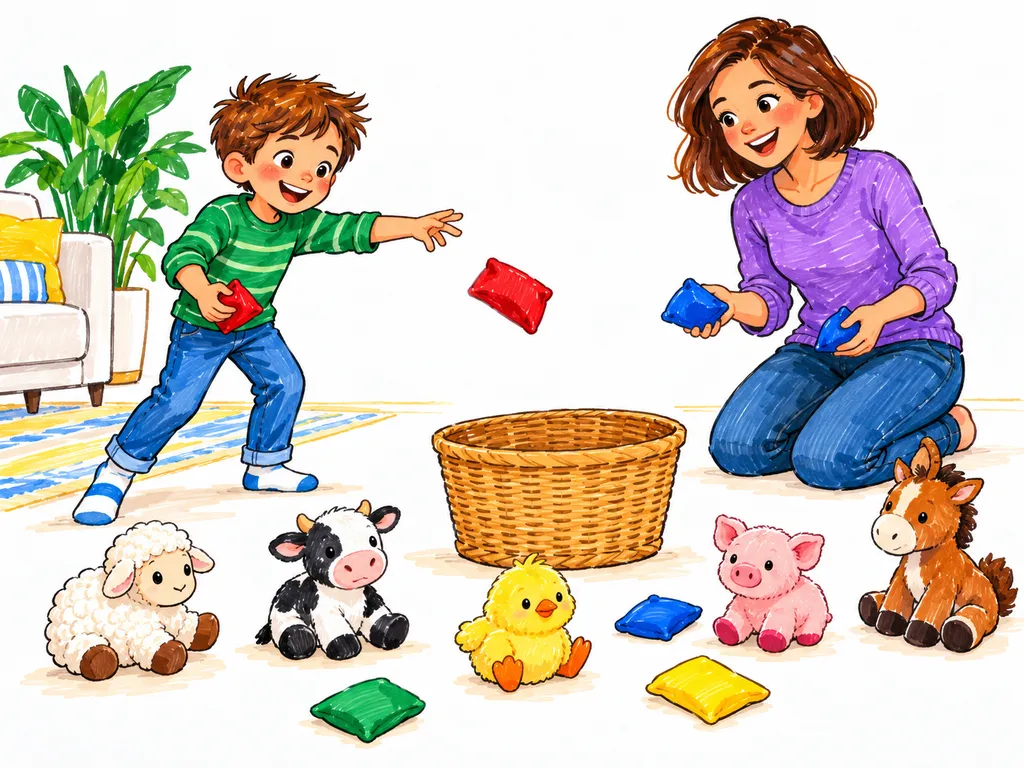
On day one, learn four pairs with pictures. On day two, review them before adding two more. Keep the cards face down, turning each card over after your child recalls the name.
On day three, make sentences with toys, drawings, or animal photos. On day four, play “Which one does not belong?” Place a kitten, puppy, duckling, and adult horse together. Your child identifies the adult and explains the choice.
On day five, ask for clues instead of names: “This baby animal is called a joey and may ride in a pouch.” Revisit uncertain words the following week. Spaced review works better than repeating the whole table in one sitting.
Correcting Common Mistakes
Children may use adult names for every age, saying baby dog instead of puppy. Acknowledge the meaning, then model the precise term: “Yes, it is a baby dog. It is a puppy.”
Children may extend one familiar label to every animal. Not every young bird is a chick, and not every large mammal has a calf. Correct one contrast at a time: chick and duckling, then duckling and gosling.
Plural forms need attention. We say puppies, kittens, and calves. In lamb, the final b is silent. Practise these forms in phrases such as “two puppies” or “three calves,” not as isolated spelling rules.
- Practice five baby animal pairs with children ages four to seven using picture cards.
- Model singular and plural forms aloud: calf, calves, puppy, puppies.
- Correct one mistake gently, then ask your child to repeat twice.
- Use a favorite animal book to spot three naming mistakes together.
- Play a two-minute matching game, reviewing confusing pairs before bedtime.
When a word has several meanings or pronunciations, Cambridge Dictionary is a useful check before turning it into child-friendly examples.
Frequently Asked Questions About Baby Animal Names
How Many Baby Animal Names Should My Child Learn at Once?
Start with four to six pairs for a younger learner, reviewing them before adding more. Baby Animal Names in English for Kids: Words and Activities is a menu, not a list for one sitting. An older child may handle eight to ten pairs grouped by habitat or shared term.
Are a Bunny and a Baby Rabbit the Same Thing?
Not exactly. A young rabbit is formally called a kit or kitten. Bunny is a warm, informal word for a rabbit of all ages, though children’s books often apply it to young rabbits. Teach kit as the precise baby name and allow bunny in everyday speech.
What Should I Do If My Child Keeps Mixing up the Names?
Reduce the set and contrast only two or three pairs. Choose distinct animals, such as a lamb, a duckling, and a joey. Ask your child to match, say, and use each word. Reintroduce a missed pair later without a long correction.
How Can an Older Child Practise Without Finding the Work Too Easy?
Move beyond matching. Ask your child to group animals sharing cub, calf, or pup, then explain each group in English. They can write riddle clues, compare habitats, or describe an animal life cycle. Familiar vocabulary supports more demanding thought and sentence structure.
If your child needs steady speaking practice, start small — choose a trial lesson.
Stay updated on our latest tips and resources by following us on Instagram LearnLink.